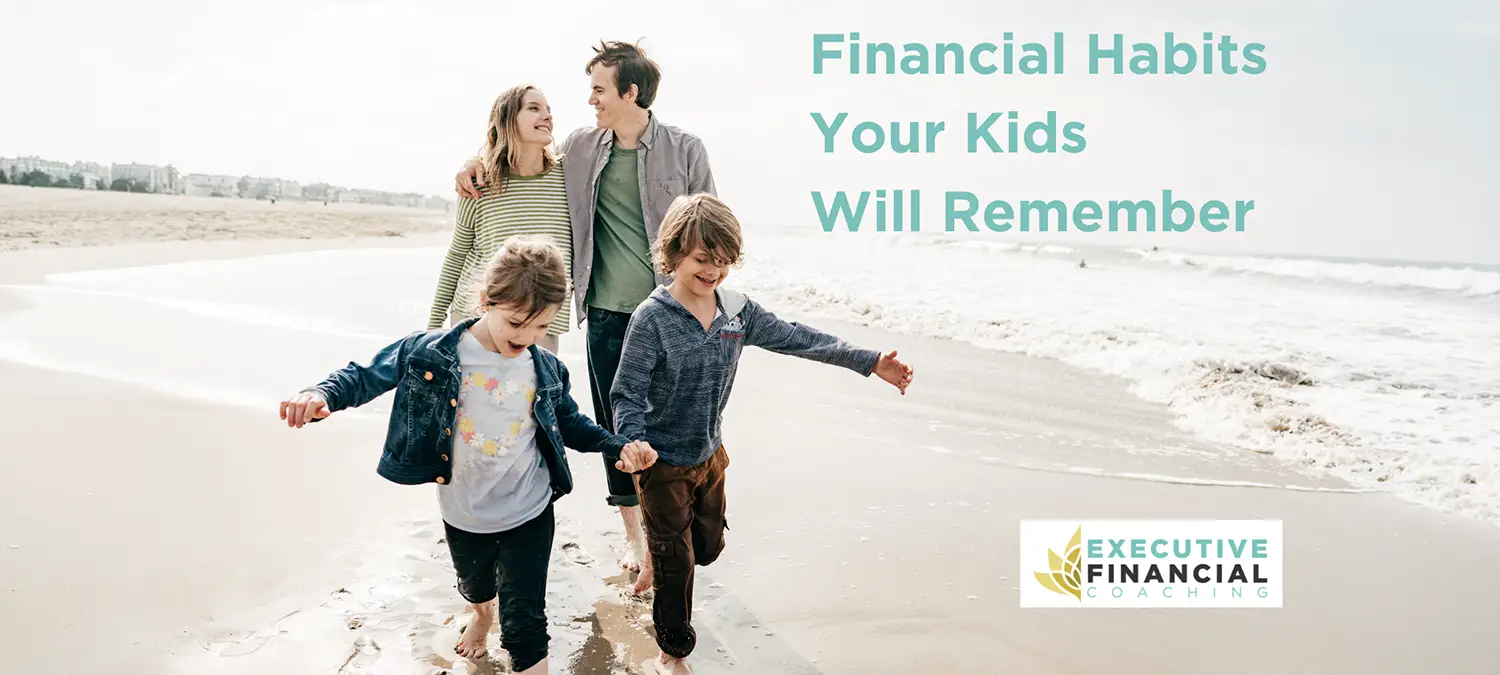
One of the most valuable financial gifts we can give our children has very little to do with how much money we earn.
It comes from the example we set through our everyday habits, decisions, and attitudes toward money.
Children absorb far more than we realise. They notice how we respond to financial pressure, how we discuss spending, how we handle responsibilities, and whether money creates tension or stability within the home. Even as young adults, they continue to observe the behaviours and emotional patterns of the people closest to them.
Many parents believe they need to achieve financial success before they can become a positive financial influence. In reality, children benefit enormously from watching adults make thoughtful decisions, improve their habits, communicate honestly, and continue working toward a stronger future.
A parent saying, “We’re becoming more organised with money,” can leave a lasting impression.
Children do not need perfection from us. They benefit from consistency, responsibility, self-awareness, and care.
The emotional environment surrounding money also matters. Many adults carry financial anxiety and unhealthy money habits that developed early in life. This is not an opportunity to blame our parents or caregivers – they undoubtedly did the best that they could. Our role is to follow and display a healthy approach to finances within our home in order to positively influence future generations in ways that extend well beyond dollars and cents.
Here are five valuable money lessons children often learn simply by watching us:
- Living within your means and planning before spending
Children notice when spending decisions are deliberate and considered. Discussing purchases without the language of scarcity, setting goals, and thinking ahead helps teach patience and self-control. - Saving consistently
Regular saving habits demonstrate the importance of preparing for the future. Children learn that financial progress is often built gradually through discipline and consistency. - Avoiding lifestyle comparison
Children absorb whether happiness and self-worth are connected to possessions and external appearances. A healthier perspective on money helps them place greater value on relationships, experiences, and personal character. - Paying bills on time and handling responsibilities well
Consistent financial routines create a greater sense of security within the household. Children often feel more settled when adults manage responsibilities calmly and reliably. - Showing gratitude for what you already have
Gratitude helps children develop contentment and perspective. It teaches them that a meaningful life is not built purely through constant consumption or comparison with others. We can still strive for our goals while feeling grateful for what we already have.
None of us will demonstrate these habits perfectly all the time. What matters is the direction we are moving and the values we continue reinforcing through our actions.
Long after children forget specific financial conversations, they often remember how money felt within the home. They remember whether financial decisions were approached with care, whether gratitude was present, and whether the adults around them demonstrated responsibility and resilience.
Small financial habits practised consistently today can shape the confidence, behaviour, and wellbeing of future generations for many years to come.